Landscape design is a multifaceted discipline that merges art, science, commercial outdoor spaces and environmental stewardship. The essence of landscape design lies in its ability to transform outdoor spaces into functional and aesthetically pleasing environments. Whether for residential or commercial purposes, creative landscape design enhances the utility and visual appeal of a space, inviting people to engage with nature while providing them with a sanctuary away from the hustle and bustle of everyday life.
Understanding Landscape Design
At its core, landscape design encompasses the planning and execution of outdoor spaces. It involves understanding the natural characteristics of an area—such as its topography, soil type, climate conditions, and existing plant life—and working within these parameters to create thoughtful designs. Professionals in this field must consider various elements including plants, hardscapes (like pathways and patios), water features, lighting, and even furniture to craft cohesive environments.
There are two primary categories within this discipline: residential landscape design and commercial landscape design. Each has unique requirements influenced by the intended use, budget considerations, and client preferences. For instance, residential projects often focus on creating relaxing retreats or family-friendly spaces that encourage outdoor living. In contrast, commercial designs might prioritize functionality and aesthetics that align with branding or corporate identity.
The Role of Professional Landscape Designers
A professional landscape designer brings expertise that can significantly elevate a project. These specialists understand not only the technical aspects of landscaping but also the artistic vision required to create harmonious environments. They conduct thorough site analyses, assess client needs, and develop customized plans tailored to specific objectives.
One essential aspect of their role is sustainability. With increasing awareness around environmental issues, many designers now integrate sustainable practices into their work. This could manifest through selecting native plants that require less water or designing rain gardens that manage runoff effectively.
Moreover, professional designers utilize advanced tools such as computer-aided design (CAD) software to present ideas visually before implementation begins. This allows clients to see potential outcomes clearly and make informed decisions about their projects.
Key Elements of Creative Landscape Design
Creative landscape design thrives on blending various elements seamlessly. Here are some vital components that contribute to its success:
1. Plant Selection
Choosing the right plants is crucial for achieving a successful landscape design. Not only do they add color and texture but they also play a functional role in supporting local ecosystems. Native plants are particularly beneficial as they require less maintenance once established and support local wildlife like birds and pollinators.
Consideration should also be given to seasonal changes; selecting plants that provide interest year-round can ensure that a space remains vibrant regardless of the season. For example, evergreens can provide structure during winter months while flowering perennials bring life during spring.
2. Hardscape Integration
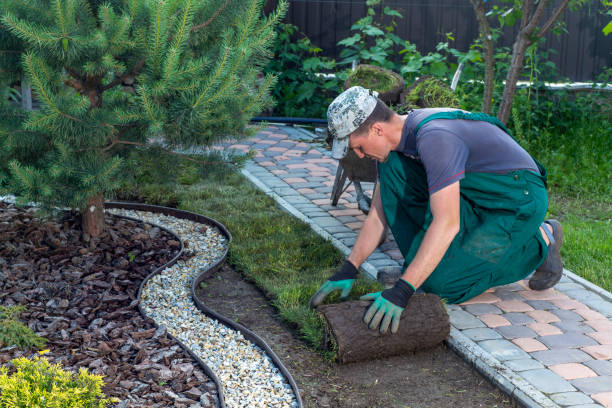
Hardscapes form the backbone of any well-designed outdoor space by providing structure and function. Patios, walkways, walls, and decks create defined areas for activities while enhancing accessibility throughout the property.
Materials used for hardscaping should complement the overall aesthetic while being durable enough to withstand weather conditions in your region. For instance, natural stone lends an organic feel to landscapes whereas concrete offers a modern touch that can be customized with colors or textures.
3. Water Features
Incorporating water features into landscape designs can elevate an environment dramatically by introducing movement and sound—elements that evoke tranquility. Options range from small fountains suitable for tight urban spaces to larger ponds or streams designed for expansive properties.
Water features not only serve aesthetic purposes but can also improve local biodiversity if designed thoughtfully by integrating aquatic plants or fish habitats.
4. Lighting Design
Outdoor lighting plays a pivotal role in extending usability beyond daylight hours while enhancing safety around pathways or steps. Thoughtful placement illuminates key features such as trees or architectural details without overwhelming the senses.
Different types of lighting fixtures can be used creatively—from solar-powered garden lights to more intricate low-voltage systems—allowing designers flexibility based on client preferences or budget constraints.
Innovative Landscape Design Ideas
When it comes to innovative approaches in landscape design today, creativity knows no bounds:
- Vertical Gardens: Particularly useful in urban settings where space is limited; vertical gardens allow homeowners to maximize greenery without requiring extensive ground area. Edible Landscapes: Combining beauty with functionality by integrating fruit-bearing trees or herb beds into traditional gardens encourages self-sufficiency while promoting healthy eating habits. Biophilic Design: Drawing inspiration from nature itself; biophilic elements aim to connect building occupants directly with nature through natural materials alongside ample greenery. Outdoor Living Areas: Expanding living spaces outdoors creates opportunities for entertainment; consider adding comfortable seating arrangements paired with fire pits or outdoor kitchens. Wildlife Habitats: Creating designated areas within landscapes specifically aimed at attracting birds or butterflies fosters biodiversity while showcasing nature’s beauty.
Challenges in Landscape Design
Despite its many rewards, creative landscape design comes with challenges that require careful navigation:
Environmental Considerations
Understanding local ecosystems is fundamental when designing landscapes capable of thriving without causing harm over time; invasive species must be avoided as they disrupt native habitats. Additionally, it is crucial to consider factors like soil erosion management landscape design ideas when planning new installations near slopes or waterways.
Budget Constraints
Every project has budgetary limitations which may impact material choices or complexity levels inherent in designs proposed by professionals; balancing cost against quality becomes essential throughout all phases—from planning through execution—to ensure long-lasting results aligned with client expectations without overspending unnecessarily.
Maintenance Expectations
Clients often possess varying levels of experience regarding maintenance associated with their newly designed landscapes; providing guidance on proper care after completion helps foster relationships built on trust while ensuring continued satisfaction long after installation concludes.
The Future of Landscape Design
As we move forward into an era marked by rapid technological advancements alongside growing environmental consciousness among society at large—the future holds immense promise for innovative practices within landscaping fields across regions worldwide:
- Smart Irrigation Systems: Technologies utilizing sensors monitor moisture levels efficiently regulate water usage conserving resources while maintaining healthy plant life. Sustainable Materials: An increased emphasis on eco-friendly products drives demand toward recycled materials reducing waste output generated during construction processes. Enhanced Collaboration Tools: Digital platforms facilitating communication between designers/clients streamline workflows yielding better project outcomes overall through real-time feedback loops established throughout development phases including budgeting timelines etcetera enabling adjustments quickly as needed along way depending circumstances encountered thus improving final results delivered ultimately meeting objectives set forth initially!
The creative possibilities within landscape design continue expanding thanks not only advances made technologic spheres but also collective willingness embrace sustainability principles guiding everyday choices we make collectively ensuring brighter tomorrow awaits indeed!